Expert Animal Extraction Services: Protecting Your Property Humanely
Expert wildlife removal services represent an crucial role in maintaining a balance between human habitation and local ecosystems. By focusing on humane methods, these experts tackle wildlife issues without doing damage. They implement live traps and relocation strategies, ensuring the well-being of animals while guarding properties. Valuing the importance of this approach raises questions about the effectiveness of various techniques and how they can foster coexistence. What are the most common challenges in this field?
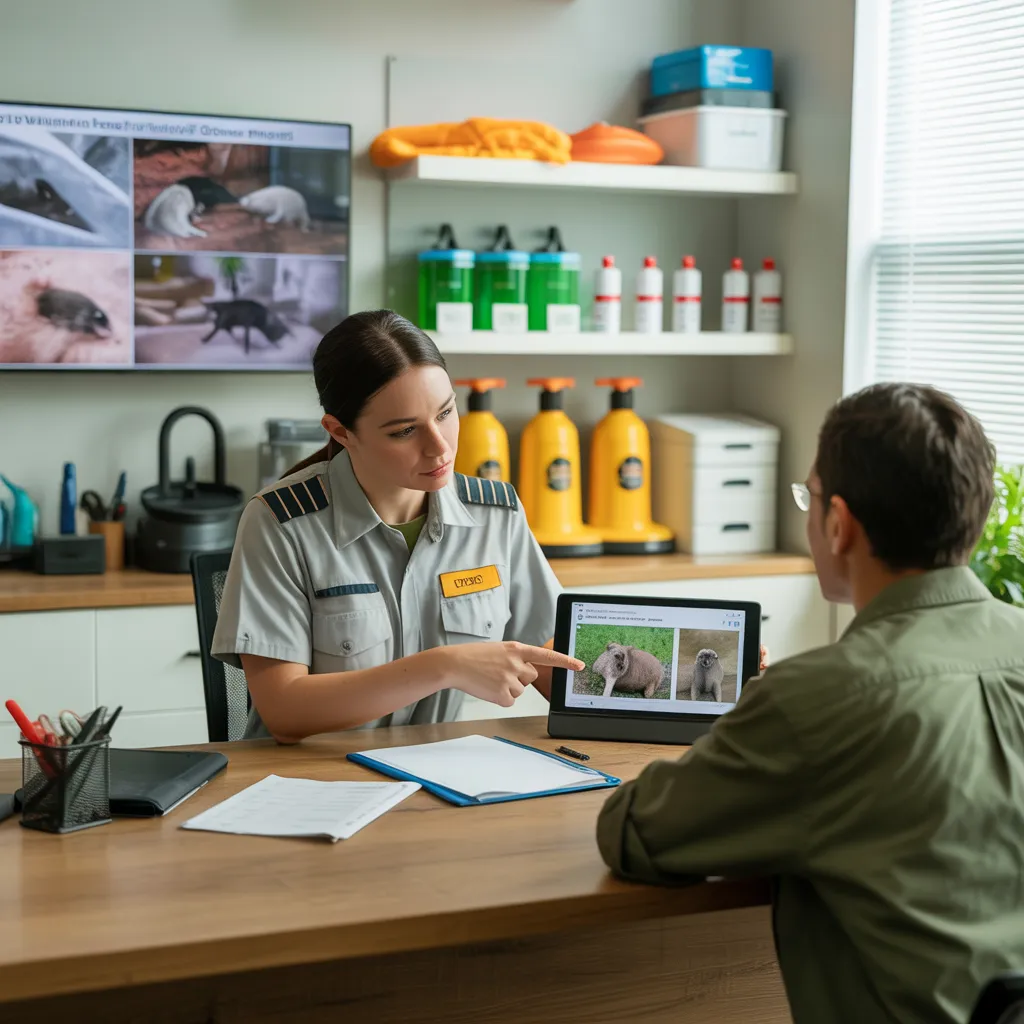
The Importance of Humane Animal Management Practices
Humane wildlife removal embodies the principle of peaceful cohabitation, harmonizing the needs of both humans and animals. This approach recognizes that wildlife often seeks shelter and resources in human-dominated areas, resulting in potential conflicts. By employing humane methods, wildlife removal services prioritize the safety and welfare of animals while addressing human concerns.
These offerings concentrate on non-lethal tactics such as relocation and prevention, avoiding extermination. This reduces animal suffering and sustains a healthy ecosystem. Furthermore, humane removal practices promote public awareness and education regarding local wildlife, encouraging respect and understanding.
Communities derive benefits from decreased animal-related challenges, in the end producing a more peaceful bond between humans and full article nature. As urban areas expand, the significance of compassionate animal removal becomes increasingly evident, securing a lasting harmony that respects the inherent worth of all living beings.
Frequent Creature Difficulties and Ethical Answers
As cities grow, different animals often move into residential areas, causing typical issues such as property damage, safety concerns, and disruptions. Raccoons, for instance, can infiltrate attics, creating building deterioration and noise. Squirrels may chew through wires, presenting fire hazards. Additionally, deer can damage gardens and landscaping, while birds may roost in unwanted areas, raising the risk of droppings that carry diseases.
Remedies for addressing these concerns emphasize exclusion and prevention. Installing secure trash bins and using raccoon-proof bird feeders can repel scavengers. For squirrels, blocking access points and providing alternative nesting sites can reduce invasions. Landscaping changes, such as cultivating deer-resistant plants, can help defend gardens. These strategies not only address wildlife conflicts but also promote peaceful coexistence, ensuring both property safety and the well-being of local wildlife.
How Specialists Analyze Wildlife Challenges
Professionals examine wildlife problems through a structured approach that combines observation, evidence collection, and analysis. Initially, they perform a thorough inspection of the property, searching for signs of wildlife presence such as droppings, tracks, or nesting materials. This physical evidence helps identify the species involved and the extent of the problem.
Next, professionals assess possible access areas and environments that might draw wildlife, considering elements like nutrition availability and refuge. They also analyze the property's surroundings, encompassing grounds design and structural features, to determine any changes that can mitigate upcoming problems.
Additionally, professionals may collect data from homeowners about sightings or disturbances, offering important context for their assessment. By integrating these various elements, wildlife removal specialists can create a detailed understanding of the situation, ensuring that subsequent actions are informed and effective in addressing the animal issues.
Compassionate Strategies for Safe Critter Removal
Using ethical techniques for wildlife removal emphasizes the protection of both the animals and the ecosystem. Experts in this field utilize approaches designed to minimize stress and harm to the creatures involved. Live traps, for example, are commonly used to trap animals without causing harm. Once captured, wildlife is often moved to suitable environments far from human dwellings, guaranteeing their welfare.
Additionally, experts may use exclusion techniques, such as closing off access areas, to stop future intrusions. This approach emphasizes altering the habitat rather than injuring the animals. Using natural deterrents, like scents or sounds that discourage wildlife from approaching, further enhances security. Educating property owners about strategies for coexistence is also part of the ethical method, fostering regard for local wildlife. Overall, these techniques reflect a commitment to ethical practices, balancing human needs with the protection of animals.
Tips to Prevent Wildlife Encroachments
Avoiding wildlife invasions requires preventative actions that create an environment less inviting to creatures. Homeowners should begin by locking trash bins with tight-fitting lids and keeping food sources, such as pet food and birdseed, indoors or in enclosed storage. Additionally, gardens should be walled or protected with netting to prevent foraging animals.
It is vital to close potential entry points, such as cracks in roofs, walls, and foundations, using products like steel mesh or sealant. Regularly inspecting and maintaining buildings can help detect weak points before they turn into issues.
Landscaping options also have a key role; opting for native plants can minimize the appeal to certain wildlife. Finally, clearing away standing water and debris eliminates habitats that entice animals. By implementing these approaches, property owners can greatly reduce the chance of unwelcome wildlife encounters.
The Positive Impacts of Sharing Space With Local Wildlife
Existing alongside local wildlife delivers significant value, such as natural pest control through predatory species. Additionally, promoting ecological diversity improves biodiversity, advancing environmental equilibrium. Recognizing these benefits can encourage more harmonious interactions between humans and wildlife.
Natural Pest Management Perks
Embracing local wildlife can improve natural pest control efforts, offering a sustainable solution that supports both ecosystems and homeowners.By allowing native species such as birds, bats, and beneficial insects to flourish, properties can successfully control pest populations without chemical treatments.By feeding on insects that harm gardens and crops, these animals minimize pesticide application.Moreover, encouraging a natural balance helps maintain healthy soil and supports pollination, essential for plant growth.Homeowners embracing this approach may discover a more resilient environment and contribute to local biodiversity.In this way, coexisting with wildlife not only safeguards properties but also enhances the health of the surrounding ecosystem.

Biodiversity Support Methods
When homeowners acknowledge the worth of local wildlife, they can set up efficient conservation approaches that cultivate a harmonious environment. Introducing indigenous flora not only delivers food and habitat for varied creatures but also enriches the appeal of properties. Constructing bird shelters and bat dwellings can invite advantageous animals that help control pests organically. Homeowners can form water features, such as ponds or birdbaths, to support local fauna. Additionally, reducing pesticide use and sustaining organic gardens enhances a healthier ecosystem. By embracing these methods, individuals not only bolster their properties but also help protecting local biodiversity, creating a synchronized coexistence with wildlife that supports both the environment and the community.
Frequently Asked Inquiries
What Qualifications Do Wildlife Removal Experts Usually Have?
Wildlife removal specialists typically have appropriate certifications, experience in animal behavior, knowledge of local laws, and training in humane handling techniques. Many hold degrees in wildlife biology, environmental science, or a related field, ensuring effective and ethical practices.
How Expensive Are Professional Wildlife Removal Services?
Professional animal control services typically cost between $150 to $500, based on factors such as the species involved, the extent of the infestation, and the methods used for removal and prevention.
Do Wildlife Removal Methods Stay Secure Around Pets?
Animal removal methods can differ in safety for companion animals. Many professionals emphasize humane approaches, ensuring minimal risk. However, pet owners should ask about particular techniques employed to ensure their animals' protection during the extraction procedure.
What should I do While anticipating the Expert's coming?
Awaiting the expert's arrival, the homeowner should keep pets inside, remove food sources, and block entry points. Observing the situation calmly guarantees safety and reduces stress for both the animals and household members.
How Do I Contact Officials About Unlawful Wildlife Removal Practices?
To inform authorities about illegal wildlife removal practices, people can reach out to local wildlife authorities or conservation agencies, providing comprehensive details about the incident. They may also document evidence, such as photos or videos, to reinforce their claims.